Pack sizes and minimum orders: make the numbers unambiguous
Explain cartons, individual units and minimum quantities so buyers request the right amount and compare wholesale offers fairly.
Published 11 October 2026
Separate a unit from a pack
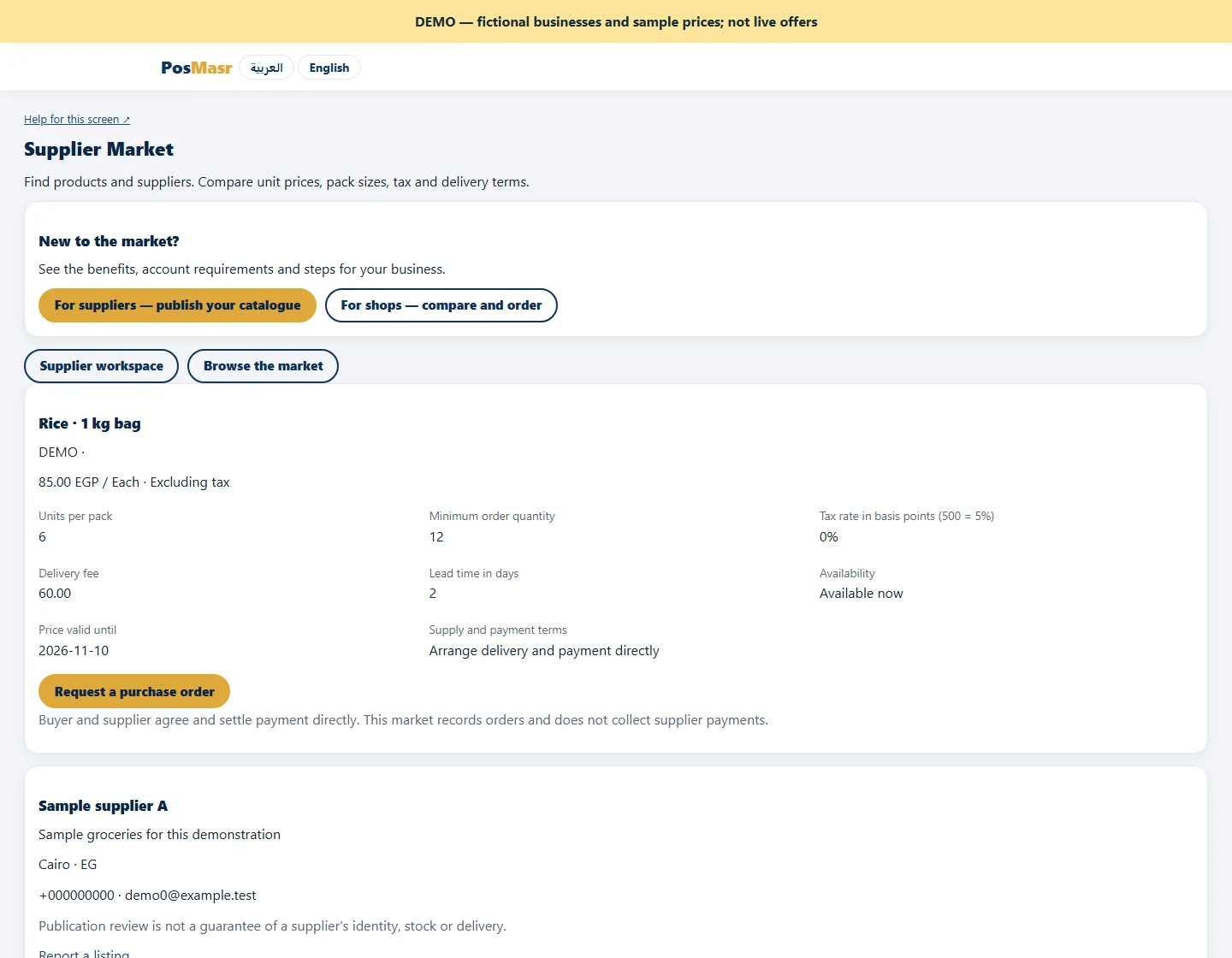
The base unit is what the price measures. The pack is the quantity you accept together. For bottles sold individually but supplied in a six-bottle carton, use each as the base unit and six as the pack quantity. If the bottle itself contains one litre, put that size in the product description; it does not turn a price per bottle into a price per litre automatically.
Check the smallest valid order
Suppose the minimum is twelve bottles and the pack is six. Twelve, eighteen and twenty-four bottles meet both rules; thirteen does not. Do this calculation before publishing, then consider whether the minimum is practical for your target shop. A lower unit price can still require more cash and shelf space when the minimum quantity is larger. Buyers should compare the amount they can actually order.
Keep the agreement consistent
In the listing, keep the price, pack and minimum expressed in the same base unit. In the confirmed request, inspect the quantity again before accepting. When the buyer maps the listing to a local stock item, the unit must match that record. Do not rely on a product name alone to solve this. Test your first listing with a simple quantity on paper and check that the merchandise total equals unit price multiplied by units.